





Articles

Theology, Christian Living, and Biblical Resources

Podcast

Deep End Theology & Theology for Everyday Life

Bible On Beat

Original Music Inspired by God’s Word

FFUT Publishing

Christian Books, Reformed Theology, and Biblical Resources

FEATURED ARTICLE

Reformed, Renewed, Relaunched: Welcome to the New Faith For U Today

Our website has a new look, our resources are growing, and our mission remains the same: to glorify God by helping people know Jesus Christ, understand His Word, and grow together in faith.

Welcome to Faith For U Today! Whether you have been following us for some time or have just discovered this little corner of the internet, we are genuinely glad you are here.

After much planning, rebuilding, writing, and reconsidering how best to serve those who visit, Faith For U Today has undergone a major renovation. You will notice a new website, a different layout, easier access to our growing collection

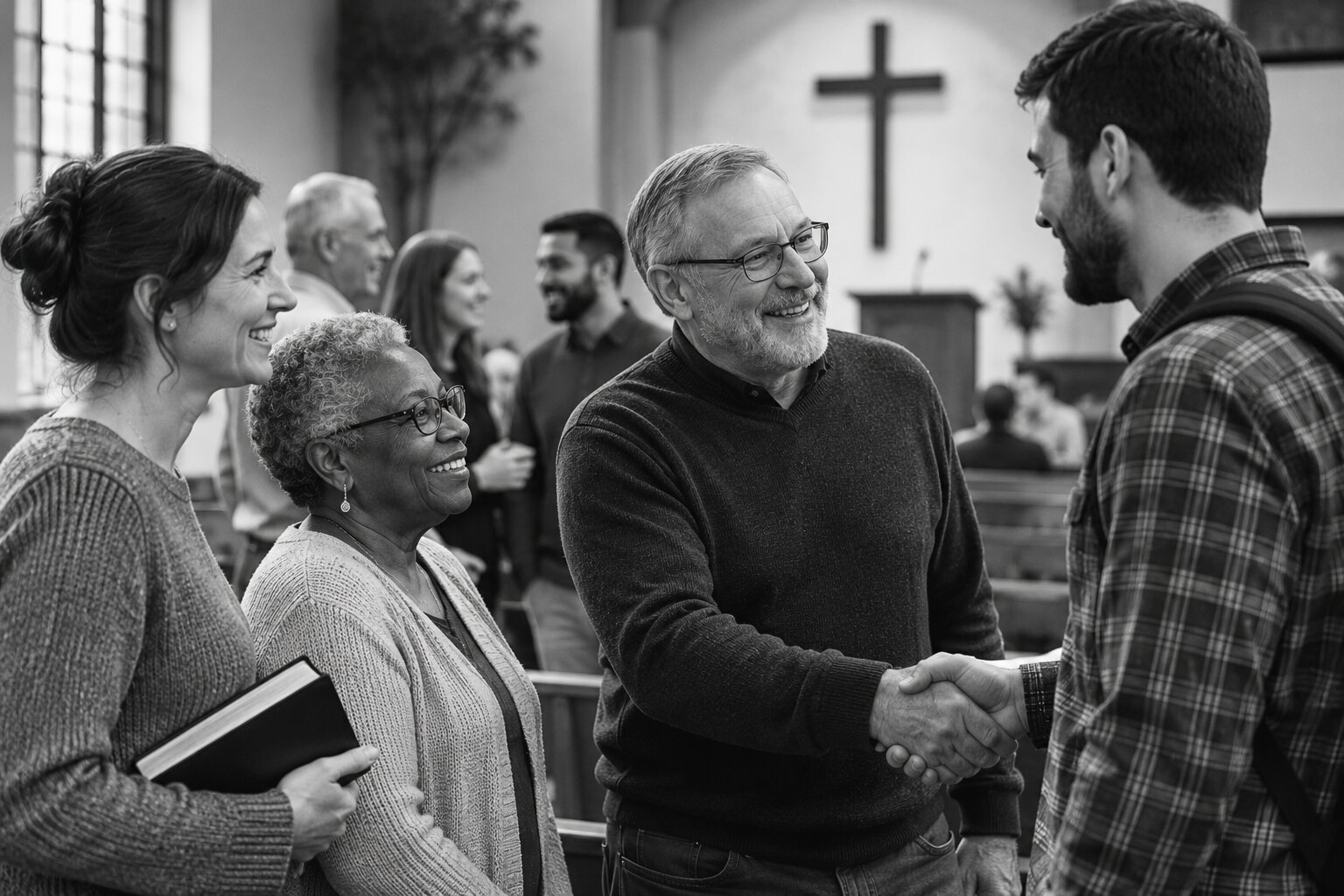
READ THE ARTICLE »

Latest Article

Have you ever read a familiar Bible passage and discovered something you never noticed before? The richness of Scripture goes far beyond isolated verses and...
Why does God bring people of different ages, personalities, and backgrounds together in the local church? Christian maturity involves more than attending worship services or...
Why should Christians study the Old Testament when we have the New Testament and the gospel of Jesus Christ? Its laws, history, poetry, and prophecies...

PODCAST SPOTLIGHT

Deep End Theology

Explore the deeper truths of the Christian faith through thoughtful, Scripture-centered conversations. Discover biblical doctrine, examine challenging questions, and grow in your understanding of God’s Word.

BECOME A MEMBER

Join a Community Seeking Deeper Truth

Continue growing in your knowledge of God’s Word with Faith For U Today. Register for free to enjoy exclusive Deep End Theology bonus episodes, or become a Premium member for $5 per month to receive early access to upcoming shows.

QUICK LINKS & RESOURCES

Explore Articles

Theology, Culture, and Christian living

Listen to Podcasts

Deep conversations for everyday life

Bible On Beat

Original music inspired by God's Word

Books & Publishing

Tools for a deeper and stronger faith

DEEP END THEOLOGY · PREMIUM EXCLUSIVE

Latest Premium Early Access

DEEP END THEOLOGY · PREMIUM EARLY ACCESS

DEEP END THEOLOGY | CHRISTIANS AND PORNOGRAPHY | EPISODE 32 — FINAL REGULAR ARTICLE

How do you actually overcome pornography as a Christian? In the concluding regular article of Deep End Theology: Christians and Pornography, we bring together the biblical foundations of repentance, practical obedience, accountability, and the sanctifying grace of Jesus Christ. Drawing from Matthew 5, Romans 8, James 5, and Philippians 1, discover why lasting change requires more than willpower, shame, or technology restrictions—and how the Holy Spirit renews believers through faith, wisdom, and patient perseverance. The series concludes with a message of hope and an invitation to continue through the bonus episodes at FFUToday.org.

DEEP END THEOLOGY · PREMIUM EARLY ACCESS

DEEP END THEOLOGY | CHRISTIANS AND PORNOGRAPHY | EPISODE 31

What does genuine freedom from pornography actually look like? Is it the complete disappearance of temptation, or does Scripture teach something deeper? In Episode 31 of Deep End Theology: Christians and Pornography, we explore how God's grace breaks the dominion of sin and progressively renews the believer's desires and conduct. Drawing from Titus 2, Galatians 5, and Psalm 16, discover why freedom involves more than outward abstinence, how the Holy Spirit produces self-control, and why lasting holiness grows through communion with Jesus Christ.

DEEP END THEOLOGY · PREMIUM EARLY ACCESS

DEEP END THEOLOGY | CHRISTIANS AND PORNOGRAPHY | EPISODE 30

What happens when a Christian becomes so ashamed of repeated pornography failures that approaching God feels impossible? In Episode 30 of Deep End Theology: Christians and Pornography, we explore how Jesus Christ receives repentant sinners and provides mercy and strength for the weary. Through Hebrews 4, Romans 8, and Titus 2, discover why shame cannot purchase forgiveness, why God's grace never excuses sin, and how the Savior's finished work provides a secure foundation for repentance, spiritual renewal, and continued obedience.

DEEP END THEOLOGY · PREMIUM EARLY ACCESS

DEEP END THEOLOGY | CHRISTIANS AND PORNOGRAPHY | EPISODE 29

What changes when a Christian is united to Jesus Christ? More than we often realize. In Episode 29 of Deep End Theology: Christians and Pornography, we explore why believers do not fight sin to create a new identity but because they have already been united to the crucified and risen Savior. Through Romans 6, Colossians 3, and Galatians 2, discover how Christ breaks sin's dominion, why sanctification flows from grace rather than personal effort, and how union with Christ provides a lasting foundation for holiness.

EXPLORE OUR MINISTRIES

Deep End Theology

Thoughtful, Scripture-centered conversations exploring biblical doctrine, difficult questions, and the Christian life.

Theology for Everyday Life

Accessible biblical teaching that helps Christians understand Scripture and apply sound theology to everyday life.

Bible On Beat

Original music inspired by the stories and truths of Scripture, bringing the Bible to life through different musical styles.

FFUT Publishing

Christ-centered books and resources designed to strengthen biblical understanding and encourage faithful Christian living.

DEEP END THEOLOGY · MEMBER EXCLUSIVES

Latest Bonus Episode

Christian Ethics in a Confused Age, Bonus Episode 3

Artificial intelligence has moved from something that sounded futuristic into something many people encounter every day. It can assist with writing, organize information, translate language, support research, automate repetitive work, generate images, answer questions, and help people complete tasks that once required far more time. Emerging technologies are also influencing medicine, education, communication, employment, government, warfare, and the ways people think about human ability itself. As these systems become more capable, Christians are faced with questions the biblical writers never addressed in modern technological terms. That does not mean Scripture has left us without guidance. The Bible does not mention artificial intelligence, machine learning, algorithms, or modern digital systems by name, but it says a great deal about human nature, creativity, dominion, work, truth, power, pride, responsibility, creaturely limits, and the danger of being mastered by created things. Those truths give Christians a strong theological framework for evaluating technologies that did not exist in the ancient world. Bonus Episode 3 begins from a balanced position. Artificial intelligence should not be treated as an ultimate savior, and it should not automatically be treated as an evil simply because it is new or powerful. AI and other emerging technologies are human tools that must remain beneath the authority of God, tested by Scripture and governed by wisdom. The important question is therefore larger than whether Christians are permitted to use AI. Most Christians already use technologies that previous generations could scarcely have imagined. The more searching question is whether we can use powerful technologies without becoming ruled by them, distorted by them, or tempted to believe that increased human capability can solve problems that are finally spiritual.

Christian Ethics in a Confused Age, Bonus Episode 2

Social media has become so ordinary that many of us rarely stop to ask what it is doing to us. We check a phone while waiting in line, scroll through updates before getting out of bed, watch videos during moments that once would have been quiet, and carry a nearly endless stream of opinions, advertisements, controversies, entertainment, and personal updates everywhere we go. Because these habits feel normal, it is easy to assume they are morally insignificant. Christian ethics asks us to look more carefully. The question is not simply whether Facebook, Instagram, X, TikTok, YouTube, or another platform is automatically sinful. The deeper question is whether Christians can inhabit these digital environments without gradually being shaped by vanity, distraction, envy, anger, falsehood, and the constant desire to be noticed. Social media can certainly be used to communicate truth, maintain relationships, encourage people, share useful information, and extend Christian witness. Yet the same technology can also train the heart in habits that work directly against Christian maturity. Bonus Episode 2 begins from this tension. Social media is not automatically sinful, but neither is it spiritually weightless. Scripture may not name modern digital platforms, but it speaks extensively about truth, speech, self-control, stewardship of time, neighbor-love, and guarding the heart. Those biblical categories make our online lives a serious matter of discipleship. The goal, then, is not to create a universal rule declaring that every Christian must leave social media or that every Christian is free to use it however he wishes. The more important task is learning to recognize when a tool has stopped serving us and has begun quietly discipling us.

Christian Ethics in a Confused Age, Bonus Episode 1

Most questions about lying are not very complicated. We know it is wrong to deceive a spouse in order to hide sin, lie to an employer to escape responsibility, exaggerate a story to make ourselves look better, or give someone a false impression because telling the truth would be uncomfortable. Scripture speaks clearly enough about ordinary dishonesty that Christians should not spend much time searching for creative loopholes. God is true, His Word is true, and His people are called to become truthful people. Then someone asks a much harder question. Suppose a murderer comes to your door looking for an innocent person you are hiding. Suppose an oppressive government demands information that will allow it to seize people who have done nothing wrong. Suppose telling an aggressor everything you know would directly assist him in committing terrible evil. Are Christians still morally obligated to give that person truthful information? That is where a simple question becomes much more difficult. Bonus Episode 1 of Christian Ethics in a Confused Age addresses that tension directly. The episode begins by refusing two easy errors. One is rigid moral reasoning that treats catastrophic situations as though they were no different from ordinary conversation. The other is loose pragmatism that justifies deception whenever lying appears useful. Scripture gives no support to casual dishonesty, yet it also places God's people in situations where wicked people seek information precisely because they intend to use it against the innocent. The issue, then, is not whether truth matters. It does. The deeper question is how Christians should think when truthfulness, protection of innocent life, resistance to evil, and a clean conscience seem to collide.