

Have you ever wondered why God would save someone like you? I mean, think about it. We are sinners who have repeatedly disobeyed God, questioned His authority, and lived as though our own desires mattered more than His commands. Yet the Bible tells us that God saves sinners. Not because they have somehow made themselves worthy of His love, but because He is gracious and merciful. That should make us stop and think. Why would a holy and righteous God extend mercy to people who have rebelled against Him? And perhaps an even more important question is this: What exactly does God require of us to be saved?
Ask that question to a room full of people, and you will probably receive several different answers. Some will tell you that you need to be a good person. Others will say you must believe in God, attend church, get baptized, or do your best to follow the Ten Commandments. Still others will tell you that God loves everyone and that, as long as you sincerely try to live a decent life, everything will work out in the end. These answers may sound reasonable, and some of the things mentioned certainly have their place in the Christian life. But are they the foundation of our salvation? Is salvation something we accomplish by cooperating with God, or is it something God accomplishes for us through Jesus Christ?
This is where understanding grace, faith, and the finished work of Christ becomes essential. These are not merely theological terms Christians use during Bible studies. They are at the very heart of the gospel. If we misunderstand them, we risk misunderstanding salvation itself.
The Problem We Cannot Solve
Before we can fully appreciate God’s grace, we need to understand why we need it in the first place. And this is where many people begin to feel uncomfortable, because the Bible does not present humanity in a particularly flattering light.
We like to think of ourselves as generally good people who occasionally make mistakes. We compare ourselves with others and conclude that we are doing fairly well. After all, we have not committed some of the terrible things we hear about in the news. We try to be kind to others, take care of our families, and contribute something positive to society. Surely God recognizes those efforts, right?
But here is the problem. God’s standard of righteousness is not determined by how we compare with other sinners. His standard is His own perfect holiness.
Romans 3:23 tells us that all have sinned and fall short of the glory of God. Notice that Paul does not make an exception for people who are more religious, more generous, or more morally disciplined than their neighbors. Every one of us stands guilty before God. Our problem is not simply that we have made a few poor decisions along the way. Sin runs much deeper than that. It affects our desires, our thinking, our motivations, and our relationship with the One who created us.
We were created to know God, glorify Him, and live in obedience to His will. Instead, humanity has turned away from Him. And because God is perfectly righteous, He cannot simply overlook sin as though it does not matter. A judge who ignored evil would not be a good judge. In the same way, God’s love does not cancel His justice, nor does His mercy make His holiness less important.
So how can sinners stand righteous before a holy God? We cannot erase our past by performing good deeds in the present. We cannot undo our guilt by promising to behave better tomorrow. Even if we could somehow live perfectly from this moment forward, that would not cancel the sins we have already committed.
This is the dilemma we cannot solve for ourselves. And it is precisely why we need a Savior.
Grace Is Not Something We Earn
We often hear Christians say that salvation is by grace. But what does that actually mean?
Grace is God’s undeserved favor toward sinners. It is not a reward for good behavior, nor is it God’s recognition of some hidden goodness within us. Grace means that God gives us what we could never earn and what we certainly do not deserve.
Consider what Paul writes in Ephesians 2:8–9:
“For by grace you have been saved through faith. And this is not your own doing; it is the gift of God, not a result of works, so that no one may boast.”
Read those words carefully. Paul does not say we are saved by grace after we have done enough to prove ourselves worthy. He says salvation is God’s gift, not our accomplishment. And if salvation is truly a gift, then we cannot claim to have earned it.
Think about that for a moment. If someone pays you for the work you have performed, that payment is not a gift. It is a wage. You worked for it, and you have a legitimate claim to receive it. Paul makes this very distinction in Romans 4:4–5 when he explains that wages are counted as what is due, while righteousness is credited to the one who believes in the God who justifies the ungodly.
Did you catch that last part? God justifies the ungodly.
Not people who have already made themselves righteous. Not people who have finally reached an acceptable level of holiness. God declares sinners righteous through faith in Jesus Christ.
Now, that does not mean God simply pretends that sin never happened. His justice must still be satisfied. Forgiveness is not accomplished by ignoring evil, but through the saving work of Jesus Christ. God’s grace is freely given to us, but that does not mean our salvation came without a cost.
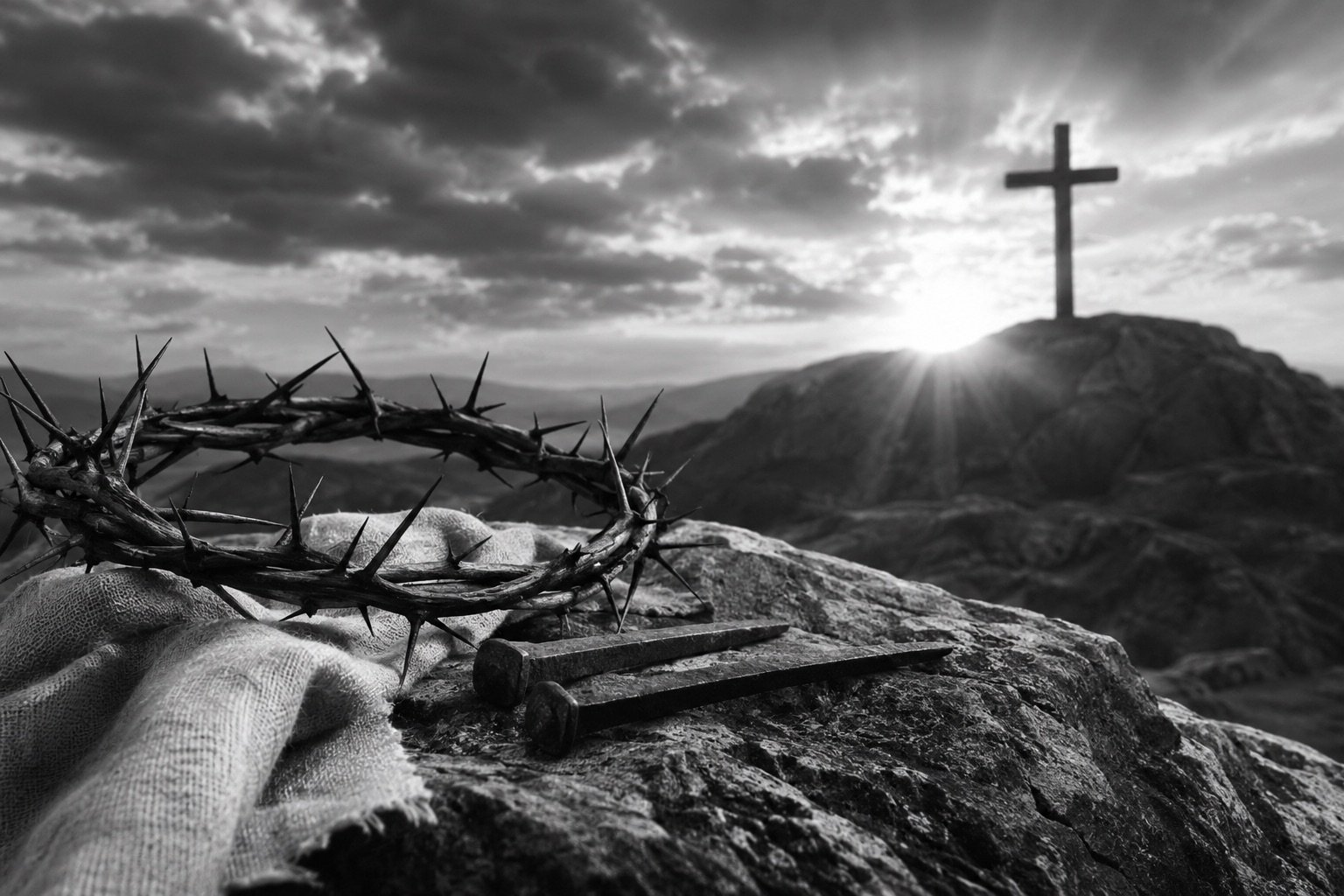
And that brings us to the cross.
What Did Jesus Actually Accomplish?
When Jesus died on the cross, He was not merely providing humanity with an example of sacrificial love, although His death certainly reveals the greatness of divine love. He was accomplishing something that no other human being could ever accomplish.
Jesus Christ, the eternal Son of God who became truly man, lived in perfect obedience to His Father. Where Adam failed, Christ obeyed. Where Israel repeatedly fell into disobedience, Christ remained faithful. Where you and I have sinned against God, Christ fulfilled the righteousness that God’s law requires.
But His obedience was not limited to living a sinless life. He willingly went to the cross to bear the penalty of sin on behalf of His people.
Paul explains in Romans 3:25–26 that God put Christ forward as a sacrifice of atonement, demonstrating His righteousness so that He might be both just and the justifier of the one who has faith in Jesus. In other words, God did not compromise His justice to save sinners. He satisfied His justice through Christ.
This is something we need to understand. God does not simply look at our sins and decide they no longer matter. Sin is serious because God is holy. The cross demonstrates both the seriousness of our rebellion and the extraordinary greatness of God’s grace.
When Jesus cried out, “It is finished” (John 19:30), He was not announcing defeat. His words marked the completion of the saving mission entrusted to Him. His sacrifice was not an incomplete payment that believers must somehow finish through their own religious efforts.
And His resurrection confirmed that death had not defeated Him. Christ rose bodily from the grave, conquering death and securing the hope of eternal life for those who belong to Him.
Let me ask you something. If Christ has accomplished everything necessary to reconcile us to God, what exactly could we add to His work? Could our church attendance make His sacrifice more sufficient? Could our good deeds somehow improve upon His righteousness? Could our religious dedication complete something He left unfinished?
Of course not.
This is why salvation must rest entirely upon Christ and not upon ourselves. The moment we begin treating our own obedience as part of the basis on which God accepts us, we start moving our confidence away from Christ and toward our own performance.
And that is a dangerous place to put our confidence, because our performance will always fall short.
If Salvation Is by Grace, Why Is Faith Necessary?
Here is where another important question comes into the discussion. If salvation is entirely the work of God, why does the Bible repeatedly call people to repent and believe?
Some people assume that faith must be our contribution to salvation. They imagine God has accomplished most of the work, but the final deciding factor belongs to us. God provides salvation, and we complete the process by supplying our faith.
But is that really how Scripture presents salvation?
The Bible teaches that we are justified through faith, but faith is not a work that earns God’s acceptance. Faith is the means by which we receive Christ and His righteousness. It does not create the righteousness we need. Christ provides that righteousness through His obedience and sacrifice.
Consider the difference between trusting someone to rescue you and actually rescuing yourself. A person who is helpless and drowning does not become his own savior simply because he trusts the one who pulls him from the water. His rescue depends upon the ability and action of the rescuer.
Of course, every analogy has its limitations. Scripture describes fallen humanity as spiritually dead in sin (Ephesians 2:1), not merely as people struggling to keep their heads above water. That is why God’s grace must go beyond simply offering assistance. He must give life to those who cannot produce spiritual life in themselves.
This is an important teaching within Reformed theology. Saving faith is not an independent achievement of fallen human nature. It comes through God’s gracious work in bringing sinners to Christ. Philippians 1:29 speaks of believing in Christ as something graciously granted, while John 6:44 teaches that no one can come to Christ unless the Father draws him.
Yet Scripture also commands people to repent and believe the gospel (Mark 1:15). Those commands are real, and our response matters. God’s sovereignty does not make repentance and faith unnecessary. Rather, His gracious work is what enables sinners to respond to Christ in genuine faith.
Faith, therefore, should never become something we boast about, as though we were spiritually wiser or more deserving than those who remain in unbelief.
Our confidence must always rest in the One in whom we believe.
The Difference Between Being Saved and Living as Someone Who Is Saved
Now, I can already imagine the objection. If good works cannot save us, then why bother living a holy life? Why not simply believe in Jesus and continue doing whatever we want?
It is a reasonable question, and one that Christians have wrestled with since the early church. In fact, Paul addresses a similar argument in Romans 6:1–2 when he asks whether believers should continue in sin so that grace may abound. His answer is an emphatic no.
The mistake is assuming that salvation changes our standing before God without also changing our relationship to sin.
When God saves someone, He does more than forgive their past. He brings them into union with Christ and begins transforming their life. The Holy Spirit works within the believer, producing new desires, growing obedience, and a greater love for God. This process, which we call sanctification, does not happen perfectly or instantaneously, but it is a genuine part of the Christian life.
Notice what Paul writes immediately after explaining salvation by grace in Ephesians 2:8–9. Verse 10 tells us that we are God’s workmanship, created in Christ Jesus for good works, which God prepared beforehand for us to walk in.
Do you see the order? We are not saved because we perform good works. We are saved for good works.
That distinction is absolutely essential.
Good works are the fruit of salvation, not its foundation. Our obedience is a response to God’s grace, not a payment for it. We seek holiness because Christ has redeemed us, not because we are trying to convince Him that we deserve redemption.
This does not mean the Christian life will be easy or that believers will never struggle with sin. Anyone who has followed Christ for any length of time knows how stubborn sinful habits can be. We still battle temptation, wrestle with our weaknesses, and sometimes fall into the very sins we hate.
But the presence of a struggle is not the same as making peace with sin.
A believer who belongs to Christ is called to repentance, confession, and continued dependence upon God’s grace. Our growth in holiness matters deeply, but even our best obedience never becomes the righteousness by which we are justified before God.
That righteousness belongs to Christ.
Where Does Our Assurance Come From?
There is another reason this doctrine matters, and I believe it is one that many Christians struggle with more than they are willing to admit.
How do you know that God truly accepts you?
Think about the way we sometimes measure our relationship with God. When we have been reading our Bibles regularly, praying faithfully, and resisting temptation, we may feel close to Him. But when we fail, neglect prayer, or fall into sin, we begin to wonder whether God still loves us.
Now, we should never minimize sin or become indifferent toward disobedience. Sin grieves the Holy Spirit and damages our fellowship with God. But if our assurance of salvation depends entirely upon how well we have performed this week, how could we ever have lasting confidence?
One day we feel spiritually strong. The next day we are reminded of how weak we really are.
This is why the finished work of Christ is so precious.
Romans 5:1 tells us that, having been justified by faith, we have peace with God through our Lord Jesus Christ. That peace is not founded upon our changing emotions. It rests upon the reconciliation Christ has accomplished.
Likewise, Romans 8:1 declares that there is no condemnation for those who are in Christ Jesus. The believer’s standing before God is secured by Christ’s righteousness rather than personal perfection.
Our assurance should therefore look first to Christ and His promises, not to an imaginary record of flawless spiritual performance. At the same time, Scripture encourages believers to examine their faith, recognize the Spirit’s work, and pursue the obedience that accompanies genuine salvation. These things confirm and strengthen assurance, but they do not replace Christ as its foundation.
This distinction can make an enormous difference in how we live.
Instead of obeying God out of constant terror that one failure will undo our salvation, we learn to obey Him out of gratitude, reverence, and love. Instead of hiding our failures, we confess them and turn again to the Savior whose mercy we desperately need.
We do not outgrow our dependence upon grace. We grow in our understanding of just how much we need it.
Salvation Belongs to the Lord
The prophet Jonah declared, “Salvation belongs to the LORD!” (Jonah 2:9). Those few words summarize something that runs throughout all of Scripture.
From beginning to end, salvation is God’s work. The Father purposes redemption, the Son accomplishes redemption, and the Holy Spirit applies that redemption to the lives of God’s people. We are not the authors of our own salvation. We are recipients of a mercy that we could never have earned.
And yet, how easily we turn Christianity into something centered on ourselves. We focus on our decisions, our dedication, our sacrifices, and our spiritual achievements. We become so concerned with what we have done for God that we sometimes lose sight of what God has done for us.
But the gospel was never meant to glorify human effort.
It was meant to reveal the glory of God in the salvation of sinners.
Consider the apostle Paul. Before his conversion, he was deeply devoted to his religious traditions and convinced that he was serving God. Yet he persecuted the very church that belonged to Christ. It was not Paul’s religious sincerity that saved him. It was the risen Christ who confronted him and extended mercy to him.
Later, Paul would look back upon his former religious credentials and declare them loss compared with the surpassing worth of knowing Christ (Philippians 3:7–9). He understood that the righteousness he needed could not come from his own obedience to the law. It had to come through faith in Christ.
That is the same gospel we need today.
It does not matter whether someone has spent years trying to earn God’s approval through religion or has lived openly in rebellion against Him. Both need the same Savior. Both must turn from sin and trust in the same Christ. And both, if saved, have absolutely no reason to boast in themselves.
Everything Begins and Ends With Christ
So where does this leave us?
It brings us back to the question we began with. Why would a holy God save sinners who have done nothing to deserve His mercy?
The answer is grace. But grace is not some abstract kindness floating independently of God’s righteousness. It is God’s undeserved favor revealed and accomplished through the person and work of Jesus Christ.
Christ lived the life of obedience we failed to live. He died the sacrificial death necessary to atone for sin. He rose victorious from the grave. And all who repent and believe in Him receive forgiveness, justification, and the hope of eternal life.
There is nothing we can do to improve upon His finished work.
That does not leave us with nothing to do as Christians. Quite the opposite. It gives us every reason to worship, obey, serve, and live for the glory of God. We pursue holiness because we belong to Christ. We love others because we have experienced His love. We proclaim the gospel because we know that salvation is found in no one else.
And when we stumble, as we certainly will, we return to the same Savior who first called us to Himself.
Christianity is not about proving that we are good enough for God. It is about recognizing that we never could be, and then looking to Jesus Christ, who is perfectly righteous and whose saving work is entirely sufficient.
That is the beauty of grace. That is why faith matters. And that is why the cross stands at the center of the Christian faith.
Salvation belongs to the Lord, and all the glory belongs to Him.