

William Tyndale, Scripture, Translation, and Gospel Courage
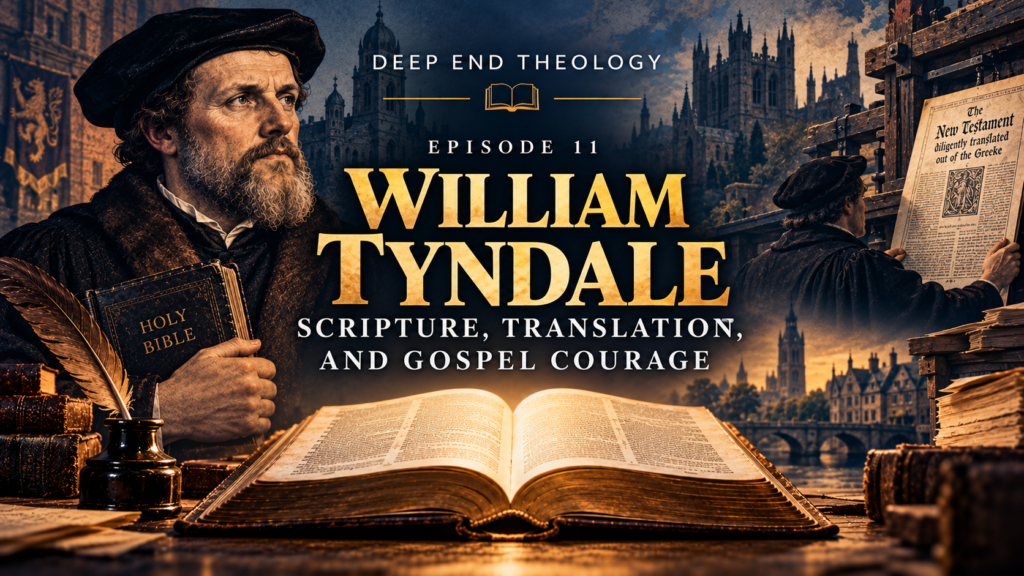
William Tyndale believed that ordinary Christians needed to hear and understand God’s Word in their own language. His determination produced the first complete printed English New Testament translated from Greek—and eventually cost him his life. Explore the remarkable history of his translation work, the theological importance of ordinary words, and the lasting legacy that helped shape the English Bible.
Martin Luther, Justification, and the Terrified Conscience
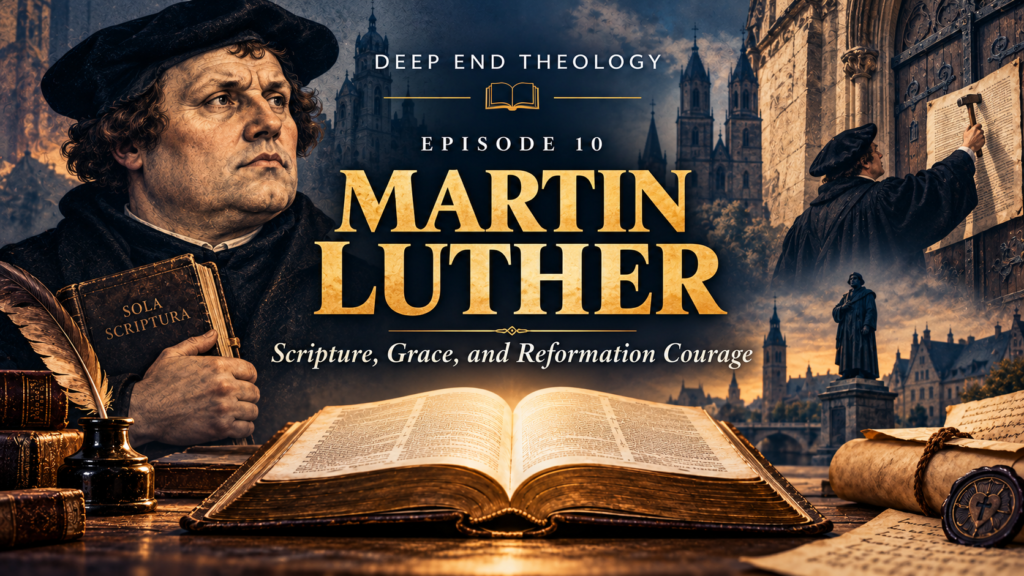
How can a guilty sinner stand righteous before a holy God? Martin Luther wrestled with this question until his study of Scripture brought him to a clearer understanding of justification by faith alone. Discover why this doctrine shook the medieval church, transformed the Reformation, and continues to bring genuine assurance to Christians struggling with guilt, doubt, and the burden of trying to earn God’s acceptance.
Jan Hus, Conscience, Truth, and Institutional Power
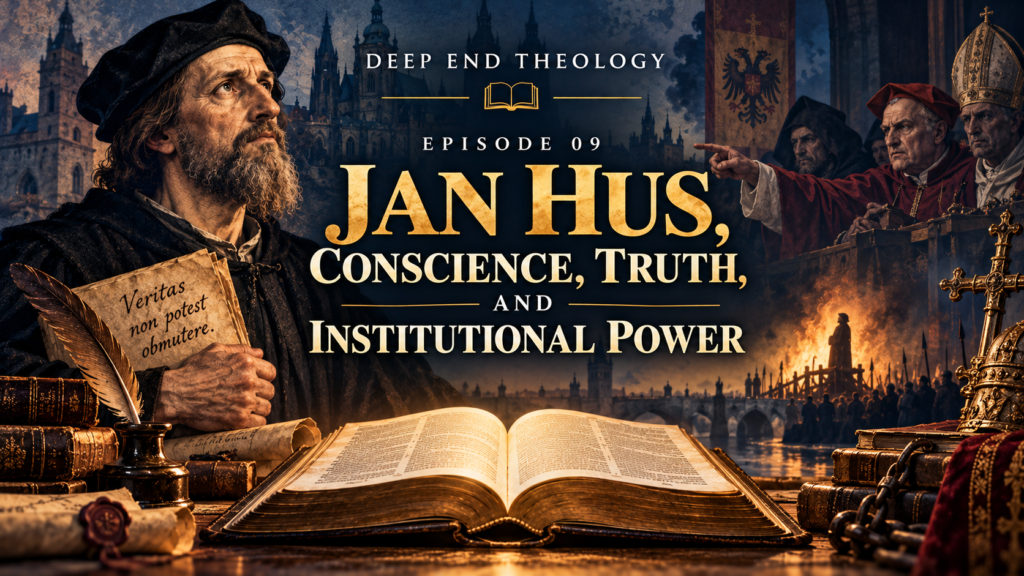
In 1415, Jan Hus was condemned and executed for heresy after challenging ecclesiastical abuses and defending convictions rooted in Scripture. Discover how his ministry in Prague, his confrontation with religious authority, and his final days at the Council of Constance illuminate the responsibilities of Christian conscience, the necessity of reform, and the cost of remaining faithful under pressure.
Wycliffe, Scripture, Reform, and Conscience
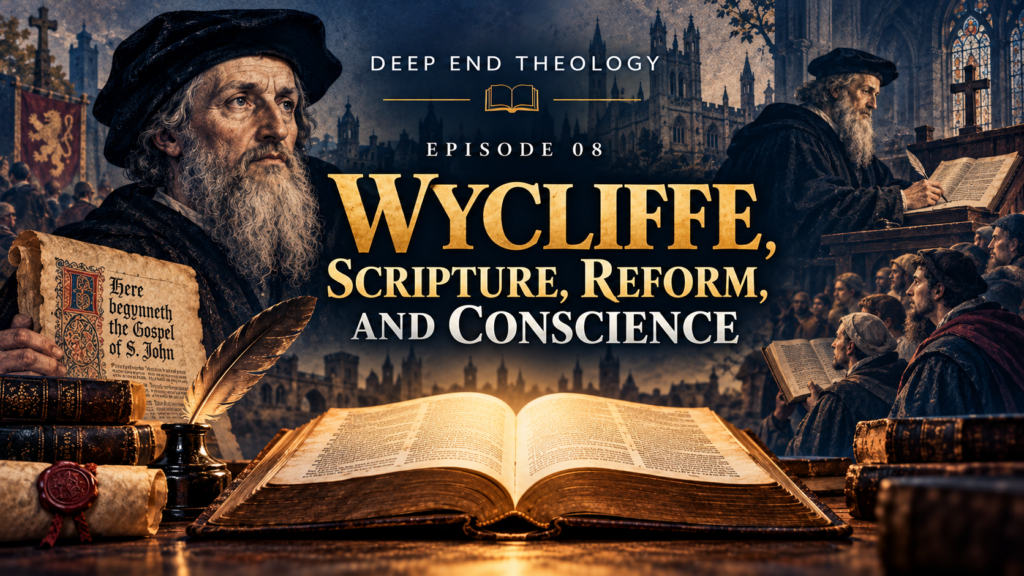
More than a century before Martin Luther, John Wycliffe challenged the authority of medieval church institutions and helped inspire the translation of the Bible into English. Discover why access to Scripture mattered, what the Wycliffite Bible actually accomplished, and how God’s Word continues to reform the church and shape the Christian conscience.
Bernard, Devotion, Affection, and the Love of God
Can we understand sound theology without truly loving the God it reveals? Bernard of Clairvaux believed Christian doctrine should awaken our affections, deepen our communion with Christ, and produce a life of grateful obedience. Explore his teaching on the love of God, the four degrees of love, and the importance of keeping spiritual devotion firmly grounded in Scripture.
Anselm, the Necessity of the Atonement, and the God-Man
Why did Jesus Christ have to become man and die for sinners? Anselm of Canterbury confronted this question nearly a thousand years ago, challenging the belief that God could simply overlook sin or that Christ’s death was merely an example of love. Discover how his work illuminates the seriousness of sin, God’s perfect justice, and the sufficiency of the God-man who accomplished our redemption.
Patrick, Mission, Forgiveness, and Gospel Courage
Taken from his home and enslaved in Ireland as a teenager, Patrick later returned to proclaim the gospel among the very people associated with his suffering. Discover what his own writings reveal about forgiveness, missionary courage, the cost of discipleship, and the remarkable grace of God that turns former enemies into neighbors we are called to love.
Chrysostom, Preaching, Holiness, and Courage
John Chrysostom became one of the most influential preachers in Christian history, but his greatest contribution was not his eloquence alone. Discover how his commitment to biblical preaching, practical holiness, care for the poor, and pastoral courage challenged the church and ultimately cost him his position.
Augustine, Grace, and the Restless Heart
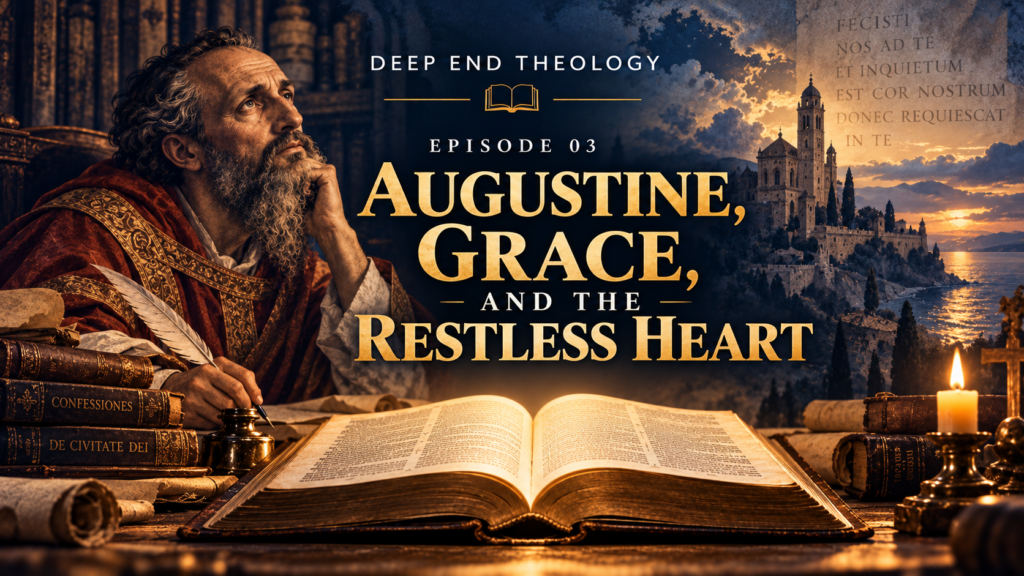
Why do we continue searching for satisfaction in things that cannot satisfy us? Augustine of Hippo understood that humanity’s deepest problem is not simply wrong behavior but a heart whose loves have been distorted by sin. Discover how his life, conversion, and defense of divine grace help us understand the human will, the transforming work of the Holy Spirit, and the lasting rest found in Jesus Christ.
Athanasius and the Battle for Christ’s Deity
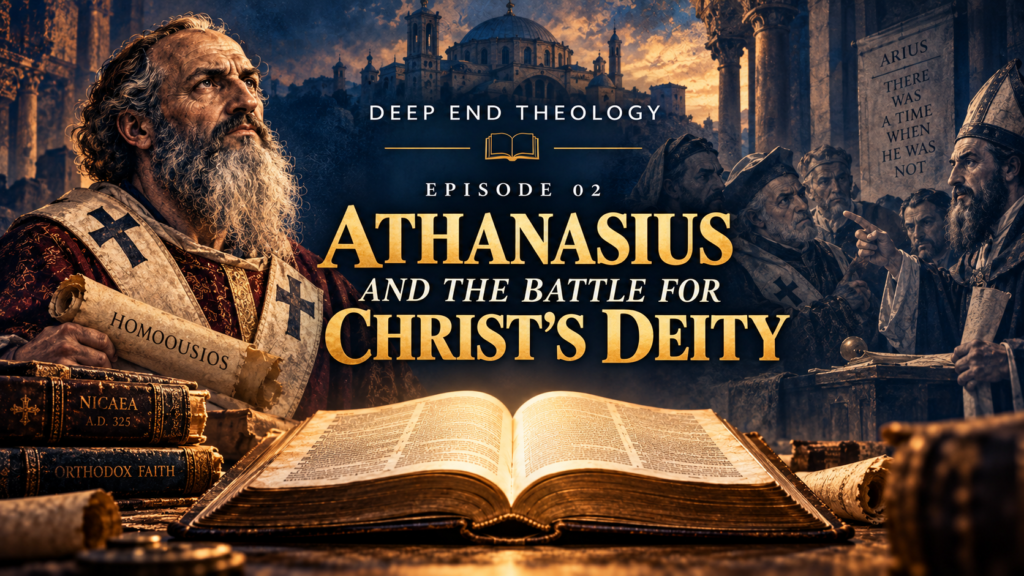
In the fourth century, Athanasius defended the eternal deity of Jesus Christ against teachings that threatened the foundation of the gospel. Discover why the Council of Nicaea mattered, what Scripture teaches about the Son of God, and why the identity of Christ remains essential to our salvation today.